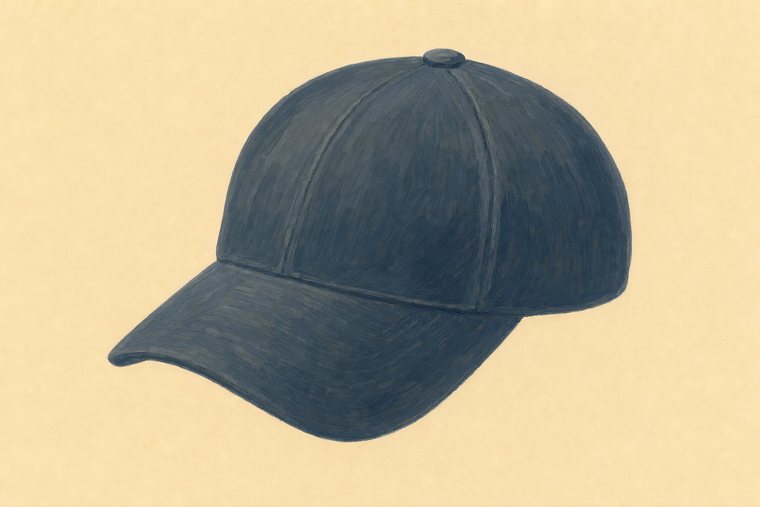
Painted object our favourite
Matte gouache, visible brush strokes, one flat background, no scene and no outline. Same hand as our Inner Parts deck, so the two decks read as a family. Warm, and it holds up at card size.
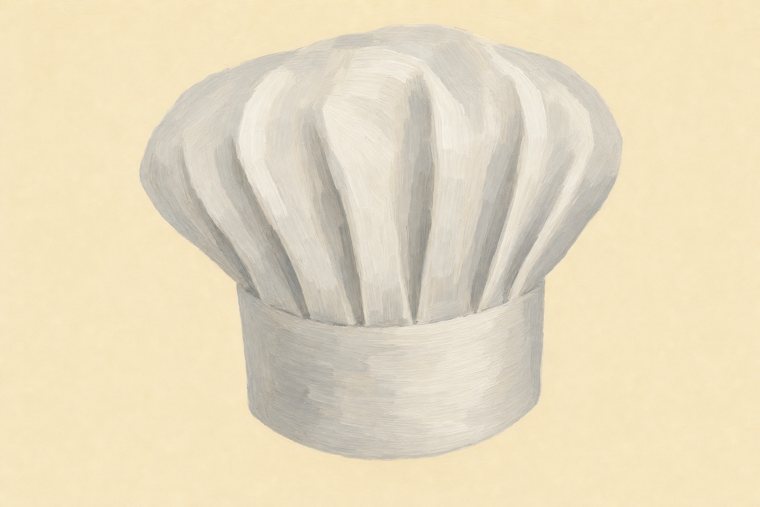
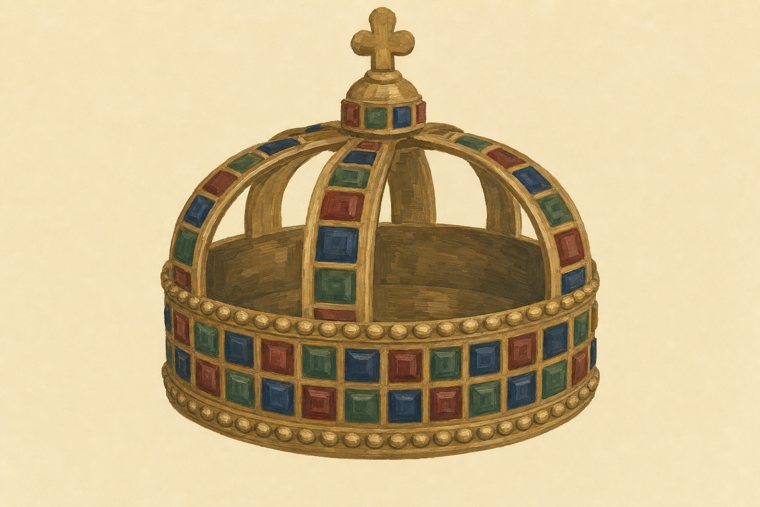
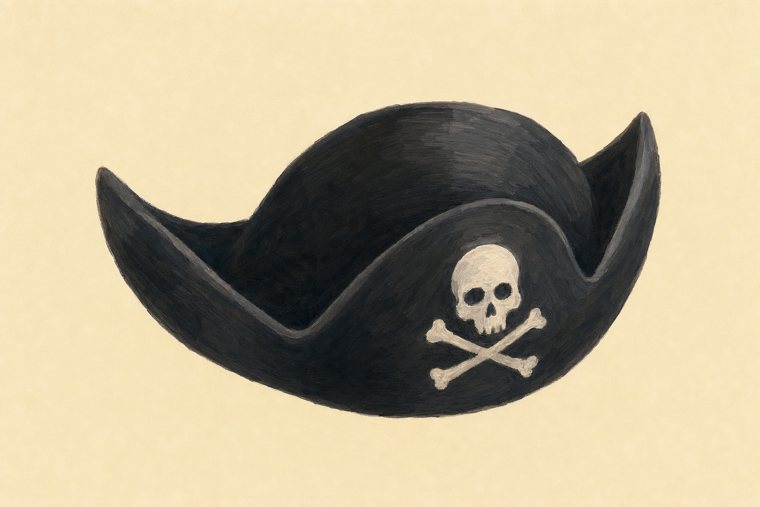
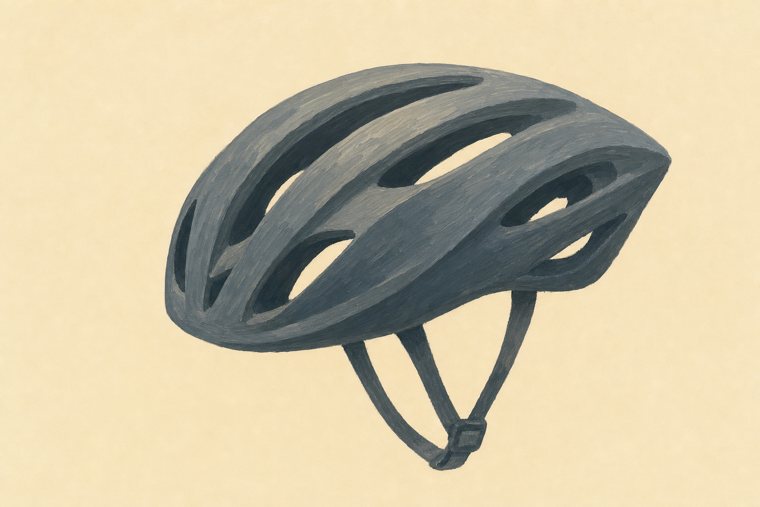
Work in progress on our HATS deck. Nothing here is decided. Four sections: design, theory, method, and the questions we would like Brian to answer.
We rebuilt the cards from scratch rather than cleaning up the original line art, and tested several illustration approaches on the same cards so the style is what varies and not the hat.
Matte gouache, visible brush strokes, one flat background, no scene and no outline. Same hand as our Inner Parts deck, so the two decks read as a family. Warm, and it holds up at card size.
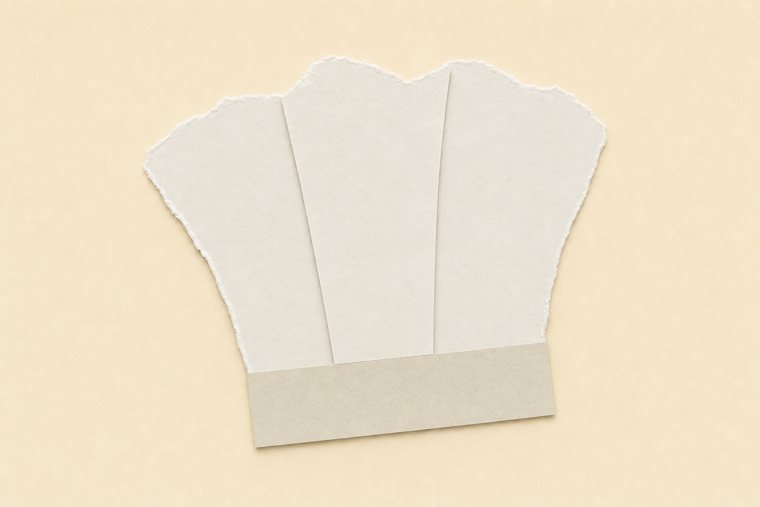
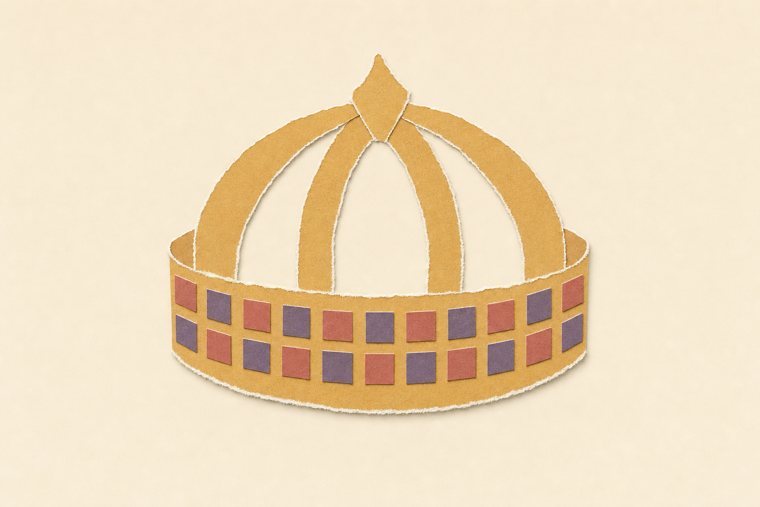
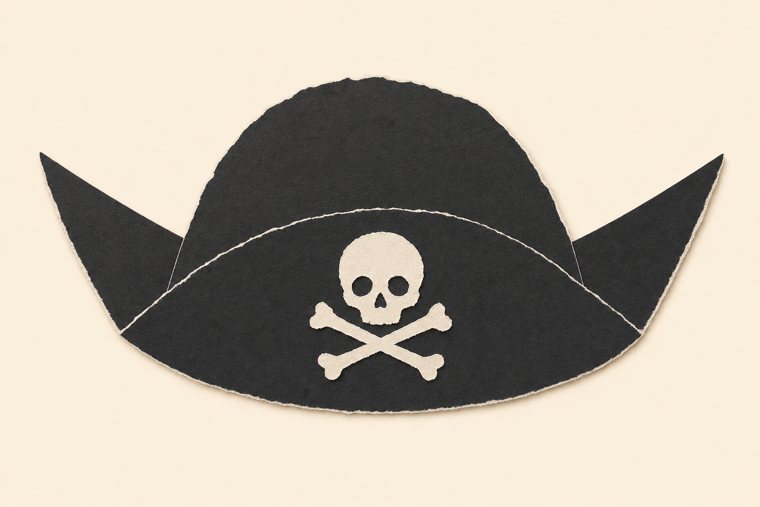
Each hat built from four or five pieces of torn and cut matte paper on a cream field. Big flat shapes, no outline. Reads fastest of all the styles across a table.
Three flat shapes, crisp edges, no texture, no line. The most neutral of the three, and the easiest to reproduce at any size.
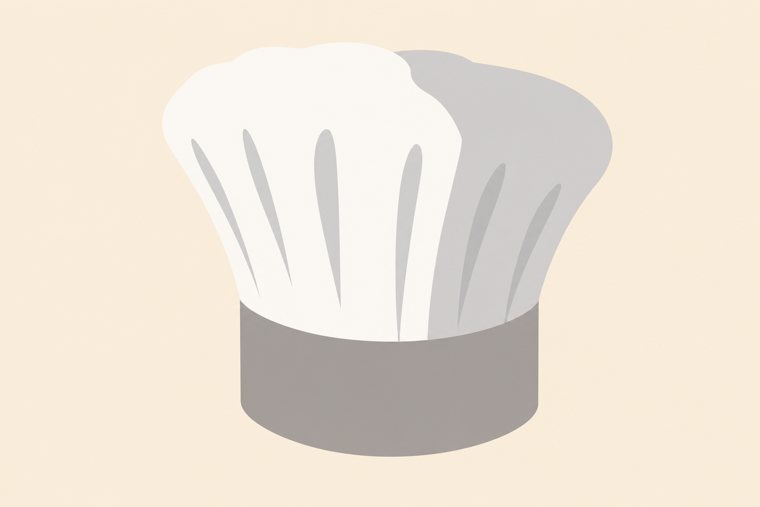
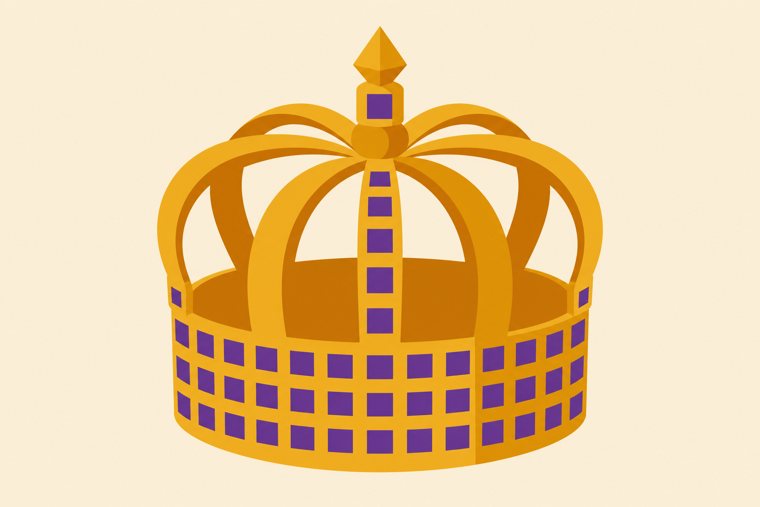
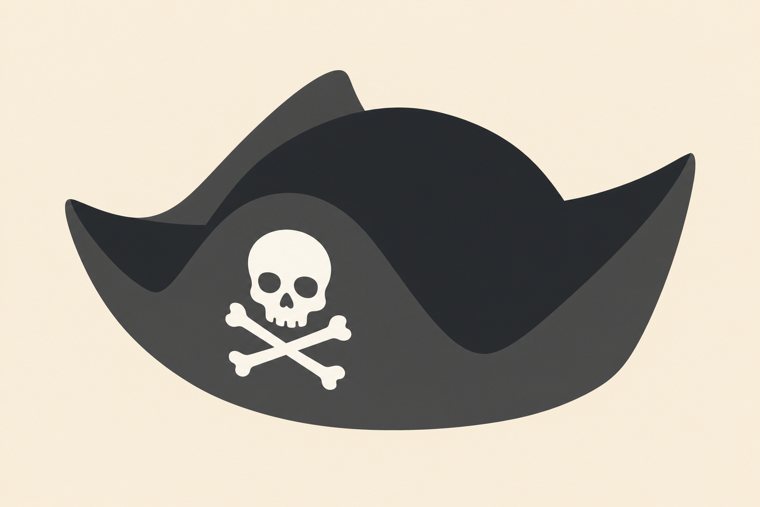
Today's prototype is 152 x 101 mm, near A6. We propose moving to cc, 80 x 120 mm, which is the format of our existing coaching-card range.
| A6 · today 148 x 105 mm | cc · proposed 80 x 120 mm | |
|---|---|---|
| All 50 spread on a table, 7 x 8, 5 mm gaps | 1071 x 880 mm | 875 x 680 mm |
| Fits a standard 1400 x 800 mm table | no, and nothing left in front of the players | yes, with room in front of each player |
| Held as a hand of 8 to 12 | unwieldy | comfortable |
| Card stiffness at 400 gsm | bends with handling | high, the smaller card stays flat |
| Box, stock and printer | new tooling | reuses the existing range |
| Fit to the art | 1.41, needs a crop on all 50 | 1.50, exactly the ratio the art is made at |
Each card carries a single object on a plain ground, so it stays legible when it shrinks. A group around a table can still read a cc card from the far side, and the smaller format is stiffer and survives handling better.
"I feel like the hat I'm wearing is neither the hat I want to wear nor the one others expect me to wear."
What is its function? Every hat has one. Some are technical: a welding mask stops sparks, a toque keeps hair out of the food, a miner's lamp lights a tunnel. Some are social: a crown signals authority, a nurse's cap signals who to approach, bunny ears signal the register of the evening. Signalling is a function in its own right, not the absence of one. Coaches will recognise the split. It is the same distinction as task orientation and people orientation.
Was it chosen or given? Some hats a person picks up. Others are conferred: awarded, issued, required, inherited.
The two questions together sort every hat into one of four groups.
chosen · technical function
chosen · social function
given · technical function
given · social function
A chef's toque genuinely keeps hair out of the food, and it genuinely signals who runs the kitchen. The same is true of a firefighter's helmet, a doctor's head mirror, a cowboy hat, a fur hat and a baseball cap. They are marked both above.
On a single left-to-right axis those six land in the middle, which is also where a hat with a weak technical function and a weak social function would sit. So each hat carries two scores, one per function, and the card is placed by the stronger of the two. The four groups sort the deck; they do not measure a hat.
We checked whether the idea already existed before inventing vocabulary for it. It does. Petr Bogatyrev (1937) argued that a costume carries several functions at once and that they sit in an order which shifts with the occasion: everyday clothing puts the technical function first, festive clothing puts it last. On the second question, Gregory Stone (1962) separated what a person announces by dressing themselves from what others place on them by dressing them; Joseph and Alex (1972) described a uniform as a badge of legitimacy that is granted and can be withdrawn; Ralph Linton (1936) split status into achieved and ascribed.
The full reading, including the parts that argue against us, is on file. Nobody in that literature draws a single left-to-right axis, which is why we treat ours as a sorting device rather than a claim.
The rules. Gut choice, no overthinking, the volunteer speaks first, open questions only, no interrupting, no challenging, no judging, clockwise, and the game is over whenever it's over. That is the product and it is already right.
The five sets (Awareness, Leadership, Team, Conflict, Family) become chapters, with room for the new ones. The booklet outline we would build to: introduction, the theory above in plain language, methods for solo, pairs and small groups, about the author, about Lizard Brain, about metaFox.
| Move | What it does |
|---|---|
| Sort your own hand. After a few rounds, a player sorts the hats they picked into the four groups. | Turns single picks into a pattern. "Everything you chose was handed to you" is a session on its own. |
| Deal by group. Give everyone one card from each group instead of a random hand. | Guarantees range in the dealt version, where a flat hand kills the round. |
| Play one group only. A team session that uses only the handed-to-you, do-a-job-on-people group. | Narrows the conversation without changing the rules. |
We tested printing the hat's name, a fact and a question on the back. We dropped it. The drawing already says what the hat is.